The Prime Stamina
Explore Knowledge. Understand the World. Think Beyond the Ordinary.
Welcome to The Prime Stamina, an educational knowledge platform created for curious minds who want to understand the world beyond basic information.
Real learning begins when we start asking meaningful questions about the universe, technology, science, human intelligence, nature, history, and the future of our civilization.
Pick a topic
Carefully researched articles for curious minds
They cover subjects from modern technology and artificial intelligence to space science, neuroscience, oceans, ancient civilizations, and some of the greatest mysteries of our world.
Our purpose is simple: to make important and fascinating knowledge accessible, understandable, and worth exploring.
The purpose of The Prime Stamina is to encourage curiosity, critical thinking, scientific understanding, and lifelong learning.
The modern world is changing rapidly. Artificial intelligence is transforming technology, quantum computing is opening new possibilities, scientists are developing advanced connections between computers and the human brain, and space exploration continues to challenge our understanding of the universe.
At the same time, our planet still contains enormous mysteries. The deepest parts of the oceans remain difficult to explore, and many scientific problems remain beyond our complete understanding.
We are not here simply to provide information. We are here to encourage people to think.
Why Read The Prime Stamina?
Learn beyond the textbook. Whether you are a student, teacher, technology enthusiast, science lover, or simply someone who enjoys discovering something new, our content is designed to give you something meaningful to explore.
You can explore subjects that you may never encounter in an ordinary classroom.
Difficult scientific and technological ideas are presented in a structured and understandable way.
Good education is not only about knowing answers. It is also about understanding evidence, questioning assumptions, comparing explanations, and recognizing what is known and what remains uncertain.
Artificial intelligence connects computing with human intelligence. Neuroscience connects biology with technology. Space science connects physics with mathematics. Ocean exploration connects biology, geology, climate science, and history.
Technology and scientific discovery are moving rapidly. Understanding today’s developments can help us think more intelligently about tomorrow.
What Will You Discover Here?
From the smallest structures of technology to the largest mysteries of the universe. Click a topic to see its articles.
History & Civilization
Ancient wonders, lost civilizations, and discoveries that continue to shape our understanding of humanity.
Coming soonMysteries & Unanswered Questions
Famous mysteries, separating established evidence from theories, speculation, and popular legends.
Coming soonExplore Knowledge in 3D
Twelve interactive models from biology, chemistry, physics and space. Choose an object, then drag to rotate it.
DNA Double Helix
Loading…
Featured Educational Articles
Explore our latest knowledge collection.
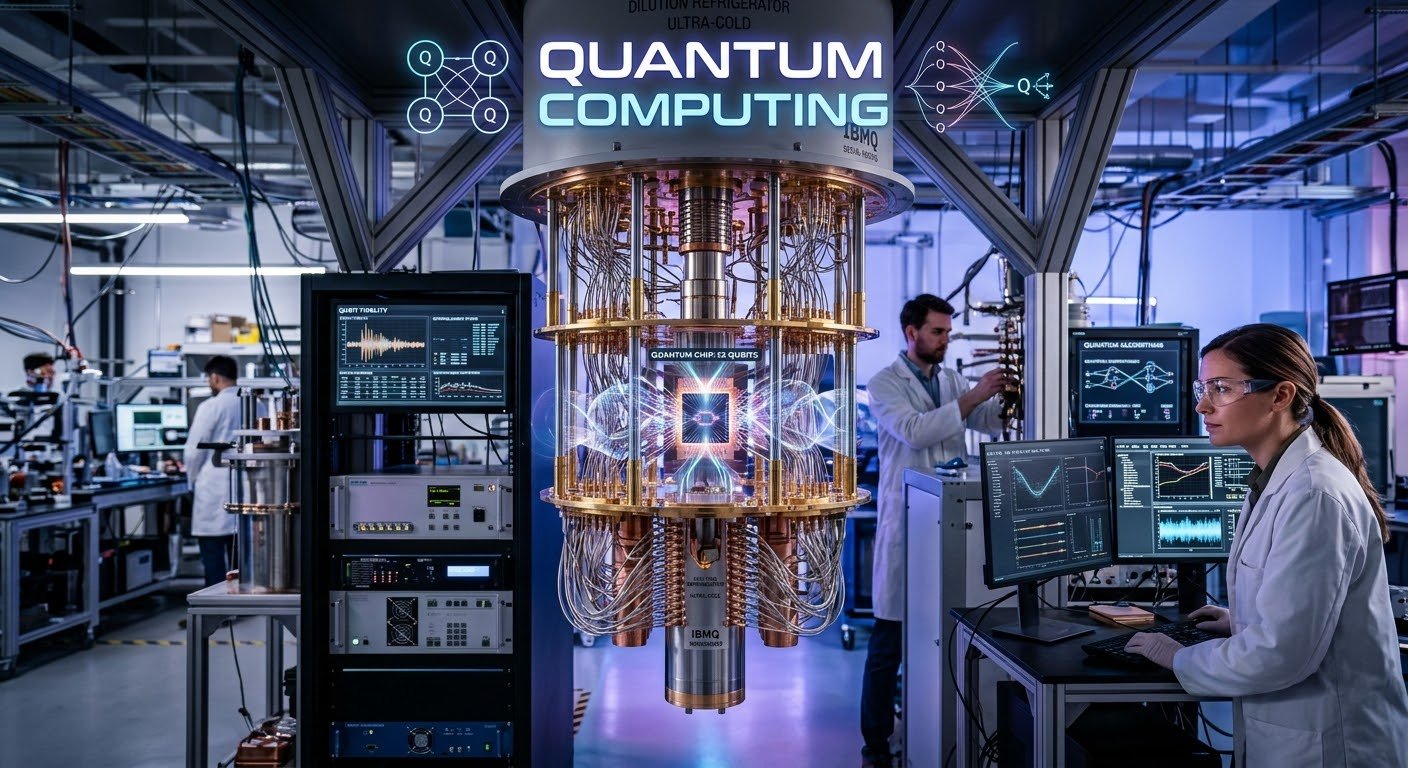 01
Quantum Computing: The Technology That Could Change What Computers Are Capable Of
How quantum systems differ from traditional computers and why they are so hard to build.
Read Article →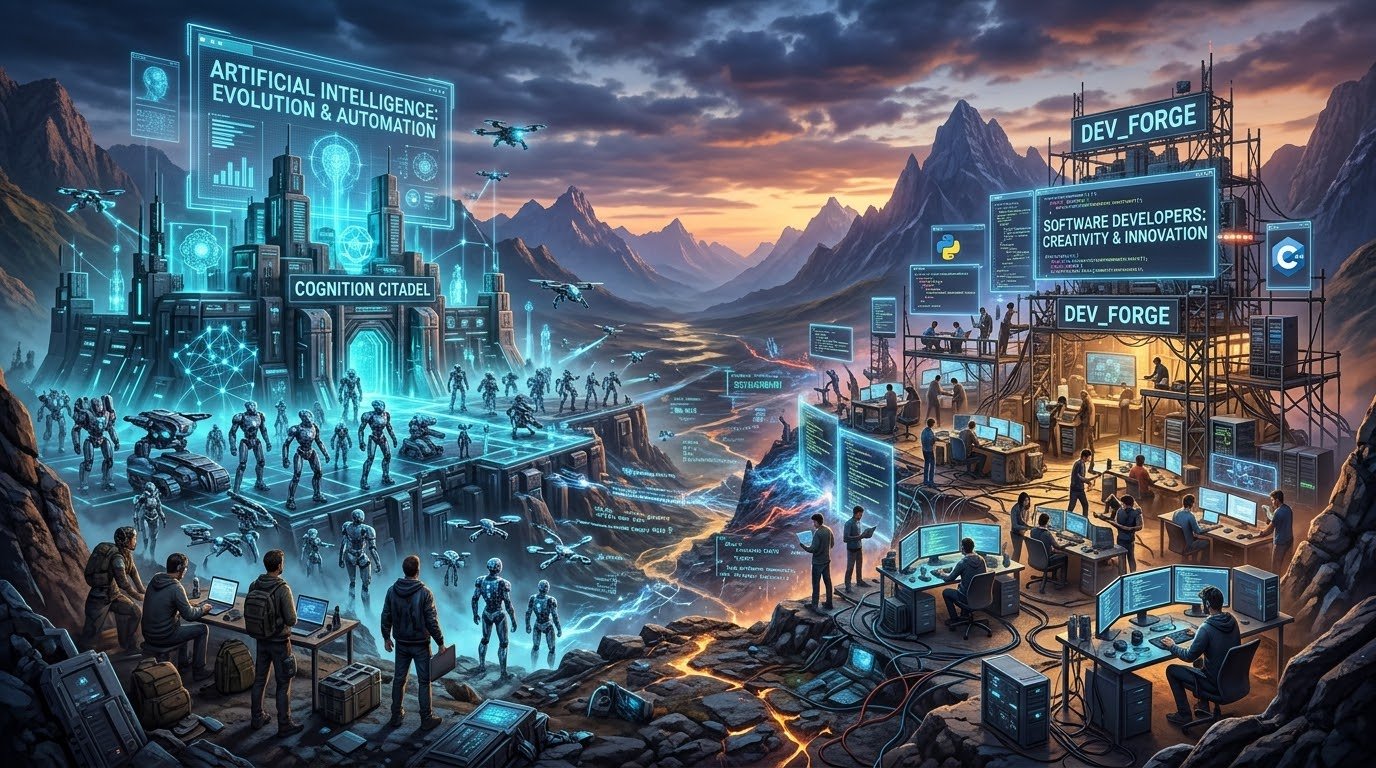 02
AI vs Software Developers: Will Artificial Intelligence Replace Programmers, or Reward the Most Skilled?
Why human reasoning and problem-solving may stay essential as AI changes software.
Read Article →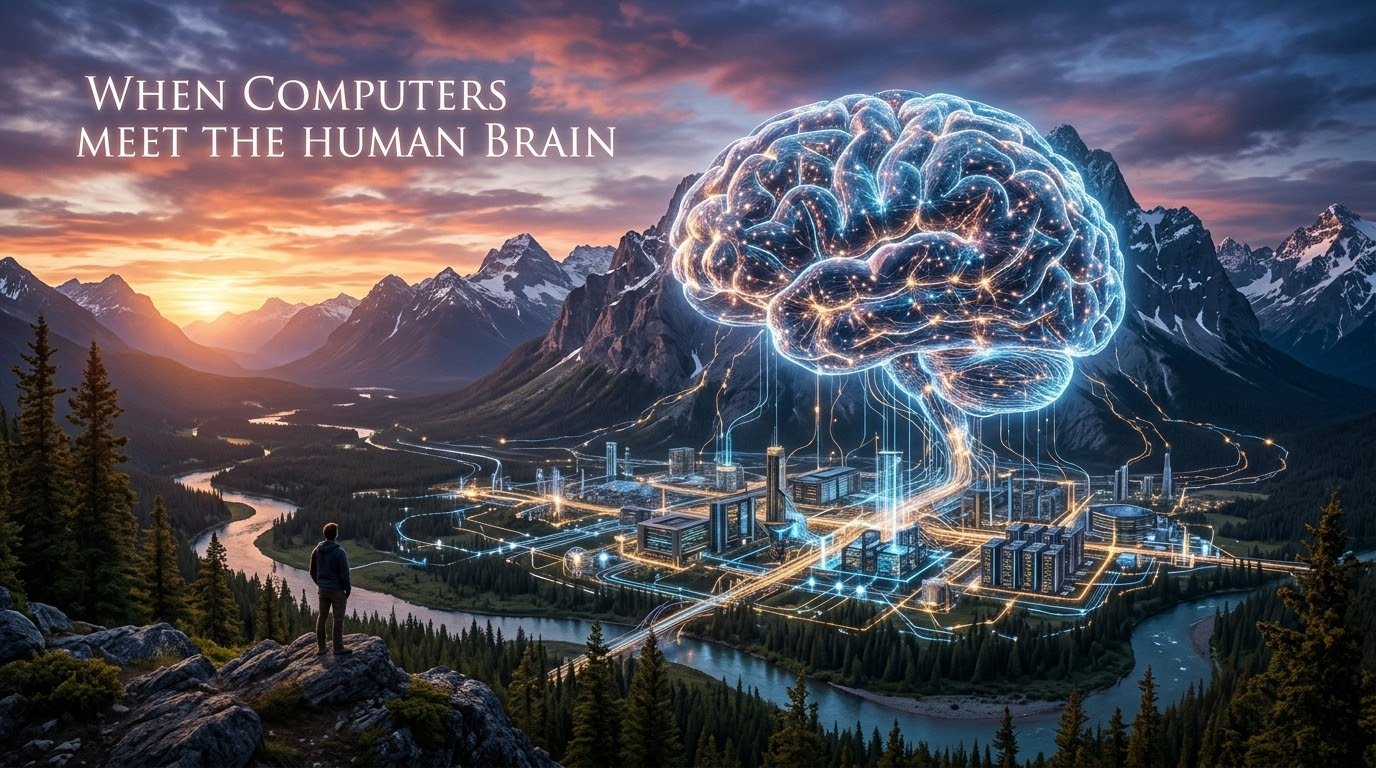 03
When Computers Meet the Human Brain: How Brain–Computer Interfaces Could Transform Neurosurgery
How brain-computer interfaces work and why they matter for medicine.
Read Article →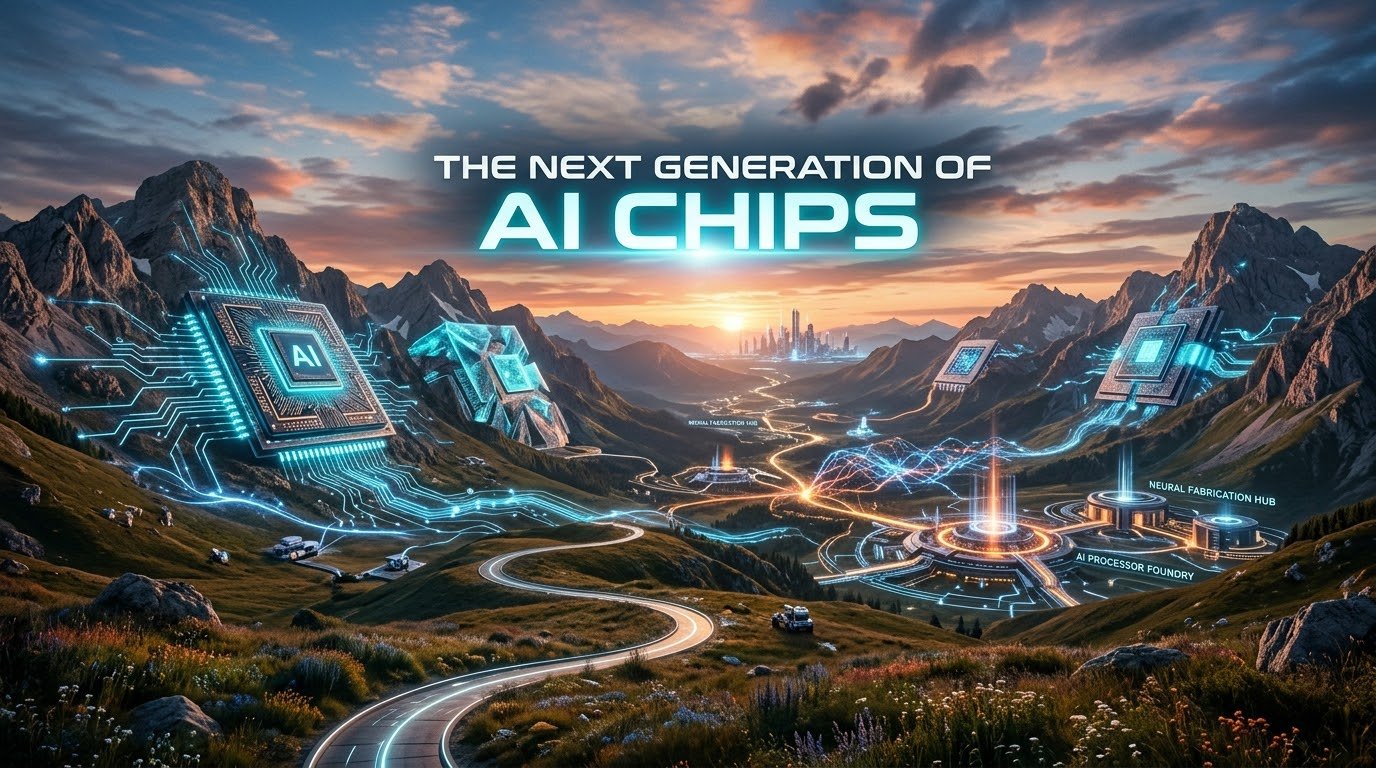 04
The Next Generation of AI Chips: Why Computing Is Moving Beyond Traditional Processors
How specialized AI processors are reshaping computer architecture.
Read Article → 05
Can Machines Actually Think? Human Intelligence, Logical Reasoning and the Limits of AI
Computation, reasoning, learning and knowledge: where do machines stop?
Read Article → 06
The Future of Robotics: When Machines Move, Learn and Make Decisions in the Real World
How sensors, software and AI let robots interact with the physical world.
Read Article →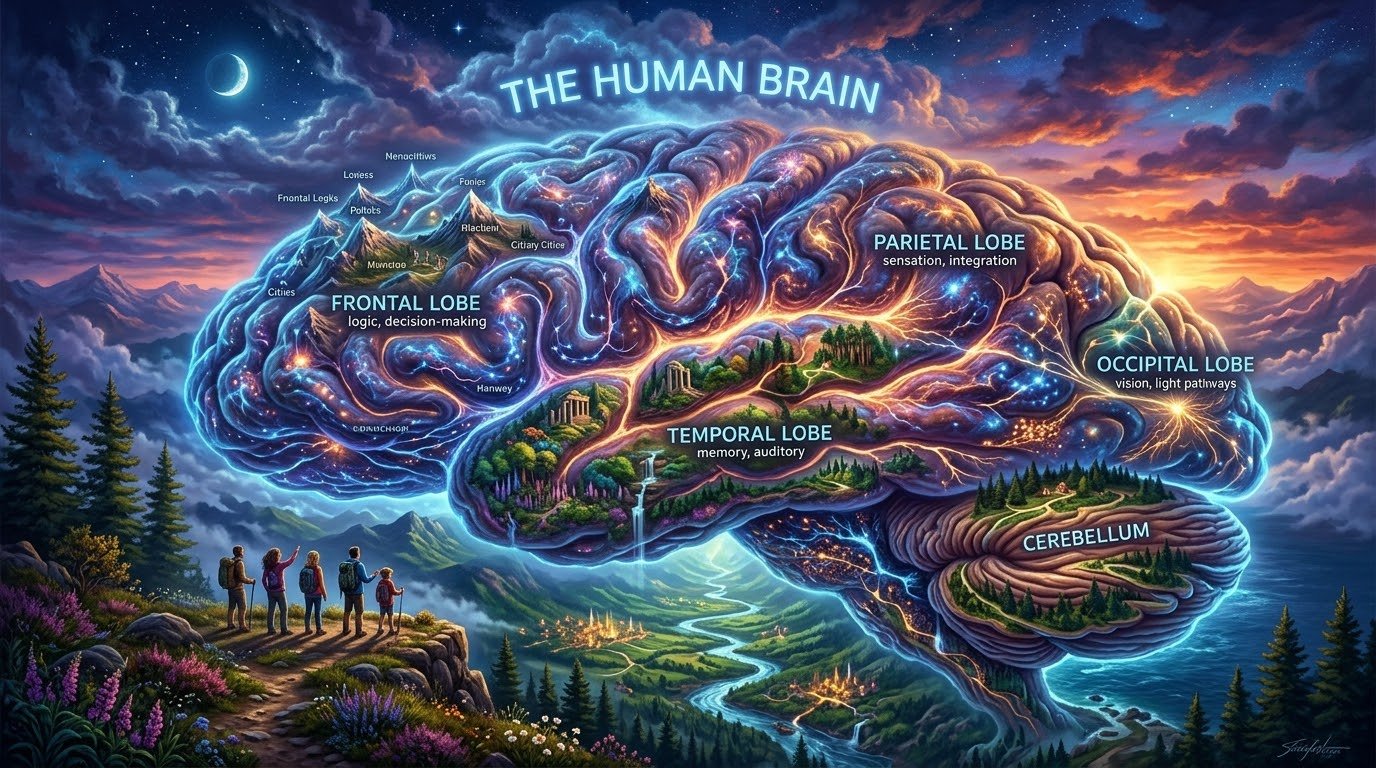 07
The Human Brain: The Most Complex Biological System We Know
What science currently understands about perception, memory and decisions.
Read Article → 08
Neural Interfaces: How Scientists Are Building a Bridge Between the Brain and Computers
The science behind neural signals and what researchers are investigating.
Read Article → 09
Can Technology Restore Lost Abilities? Brain-Controlled Prosthetics and Medical Devices
How neuroscience and engineering help people with disabilities.
Read Article →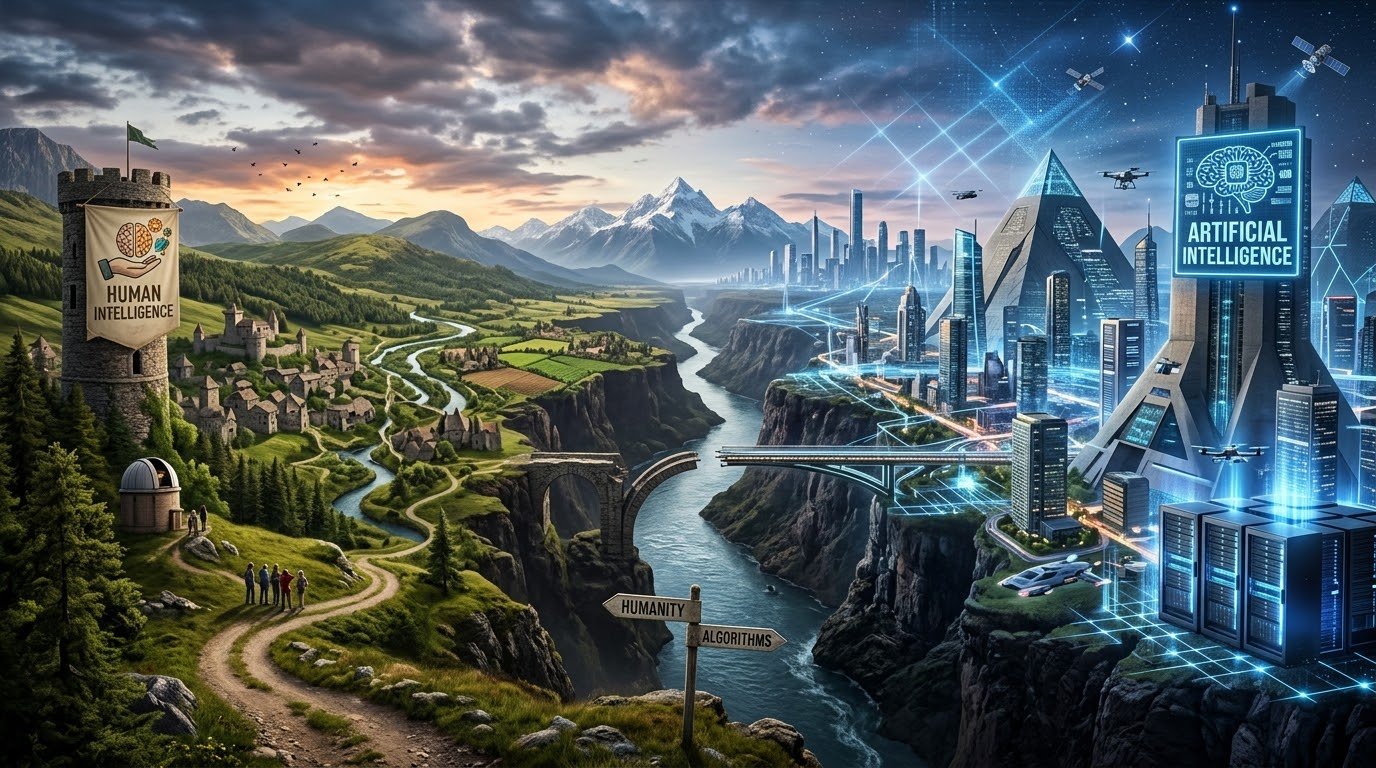 10
Human Intelligence vs Artificial Intelligence: What Makes the Human Mind Different?
Reasoning, creativity, experience and judgment compared with AI.
Read Article →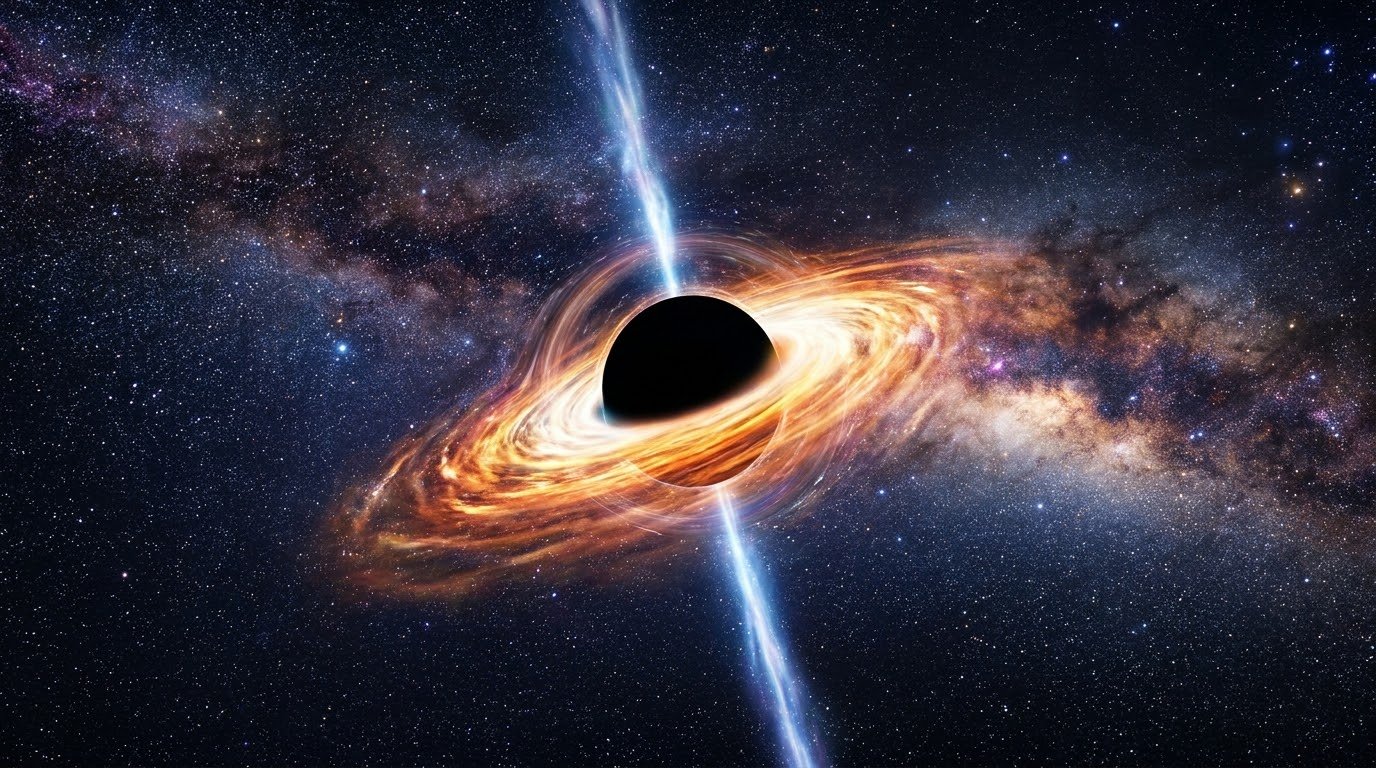 11
Black Holes: What Happens When Gravity Becomes Stronger Than Light?
How black holes form and why light cannot escape the event horizon.
Read Article →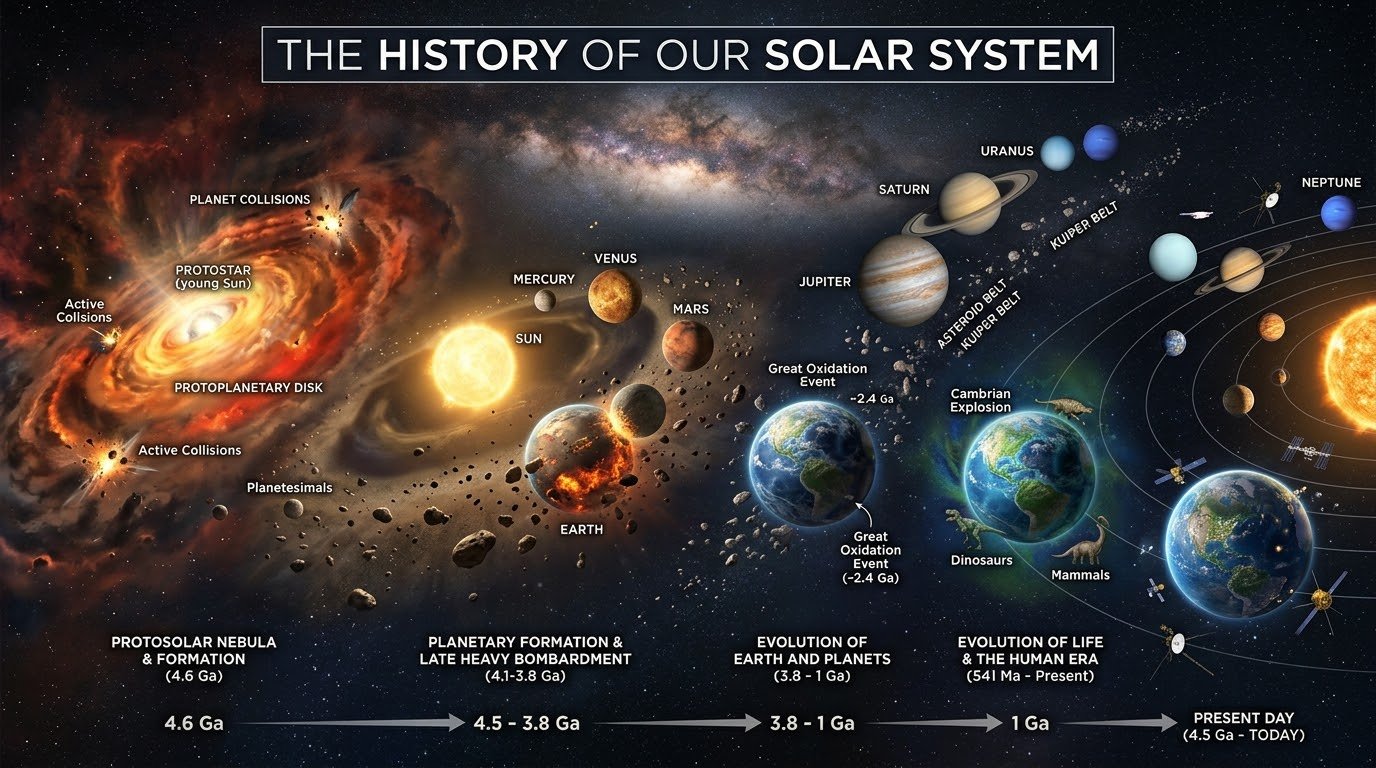 12
Nova, Supernova and Stellar Death: How Stars End Their Lives
The dramatic final stages of stars and their effect on the universe.
Read Article →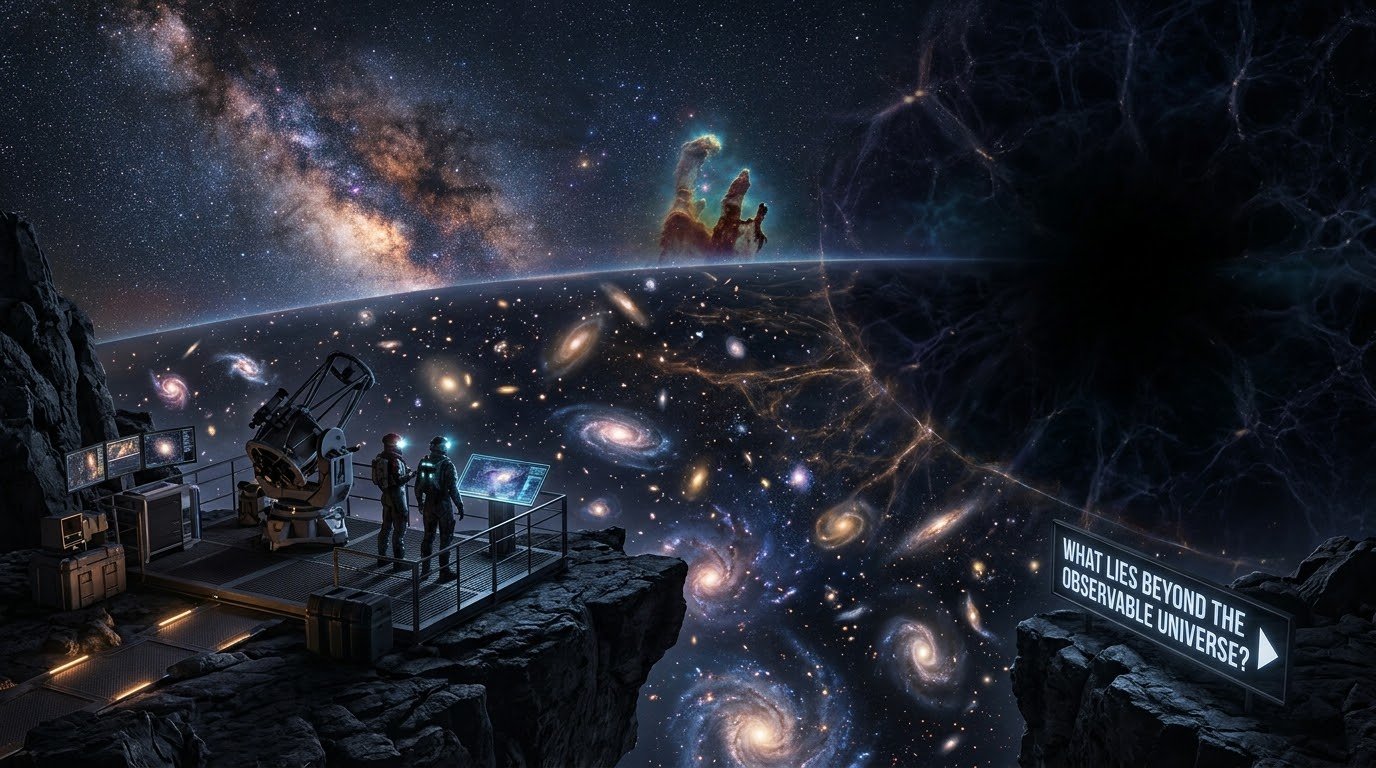 13
The History of Our Solar System: From a Cloud of Dust to the World We Live In
How planets, moons and asteroids formed around our young Sun.
Read Article →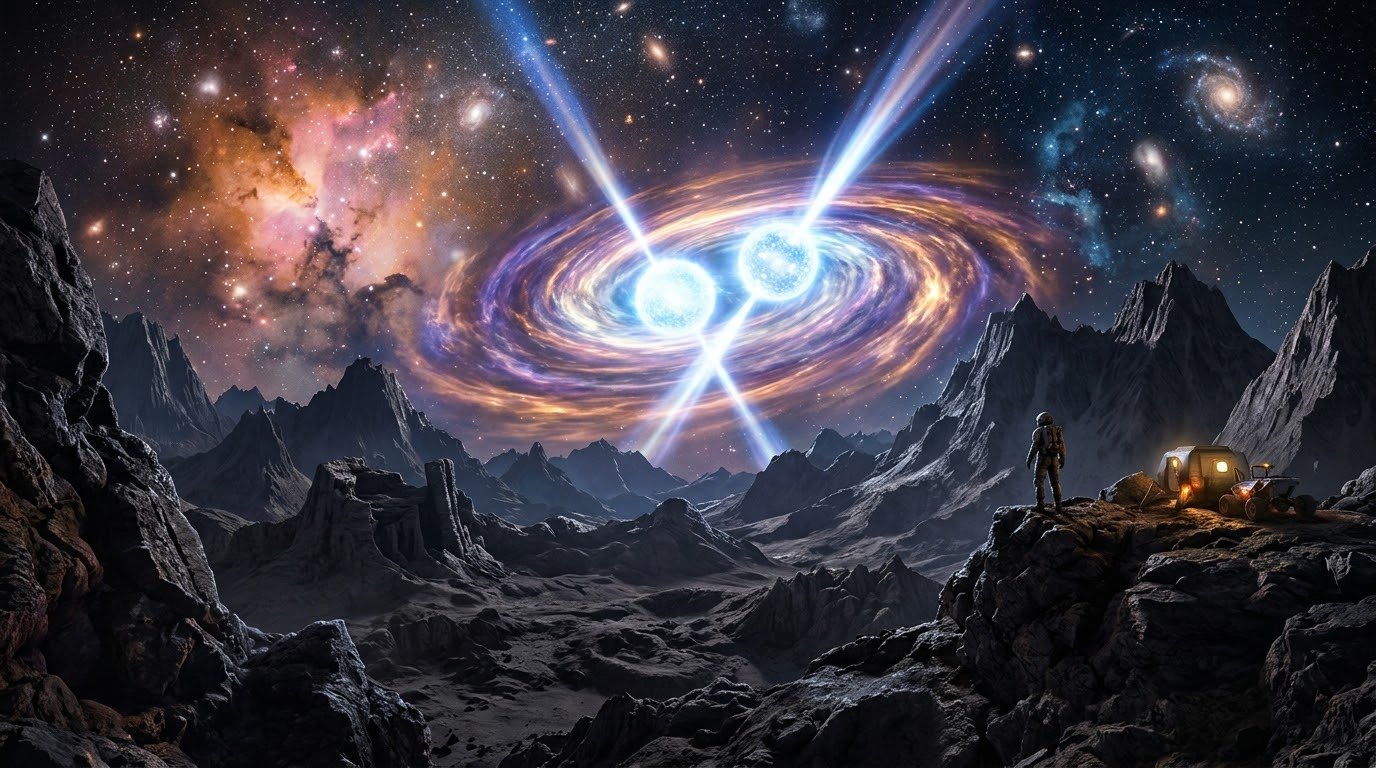 14
What Lies Beyond the Observable Universe? The Limits of Human Knowledge
Why the universe may extend far beyond what we can observe.
Read Article →15Neutron Stars: The Extraordinary Objects Created When Massive Stars Collapse
Formation, extreme density and magnetic fields of neutron stars.
Read Article →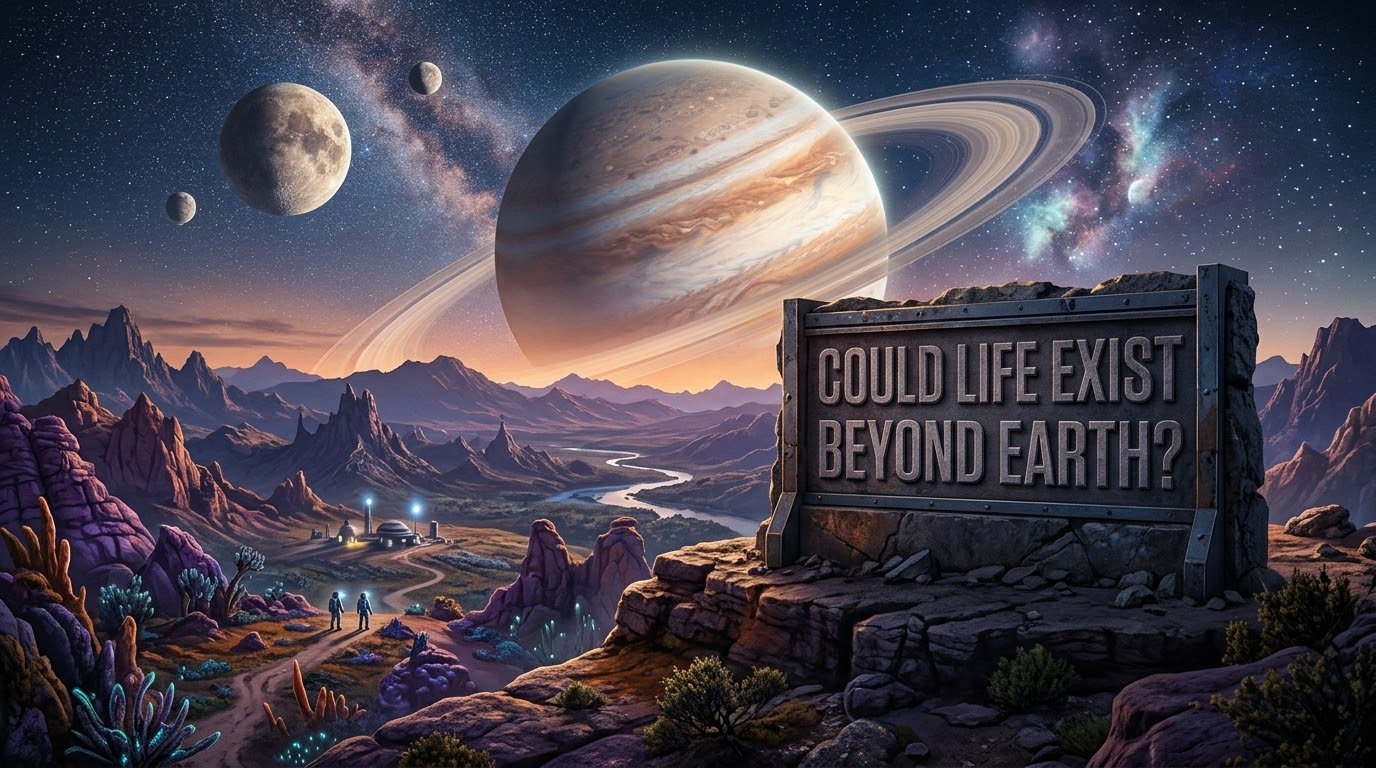 16
Could Life Exist Beyond Earth? The Science Behind the Search for Alien Worlds
Why scientists search for habitable worlds beyond our solar system.
Read Article →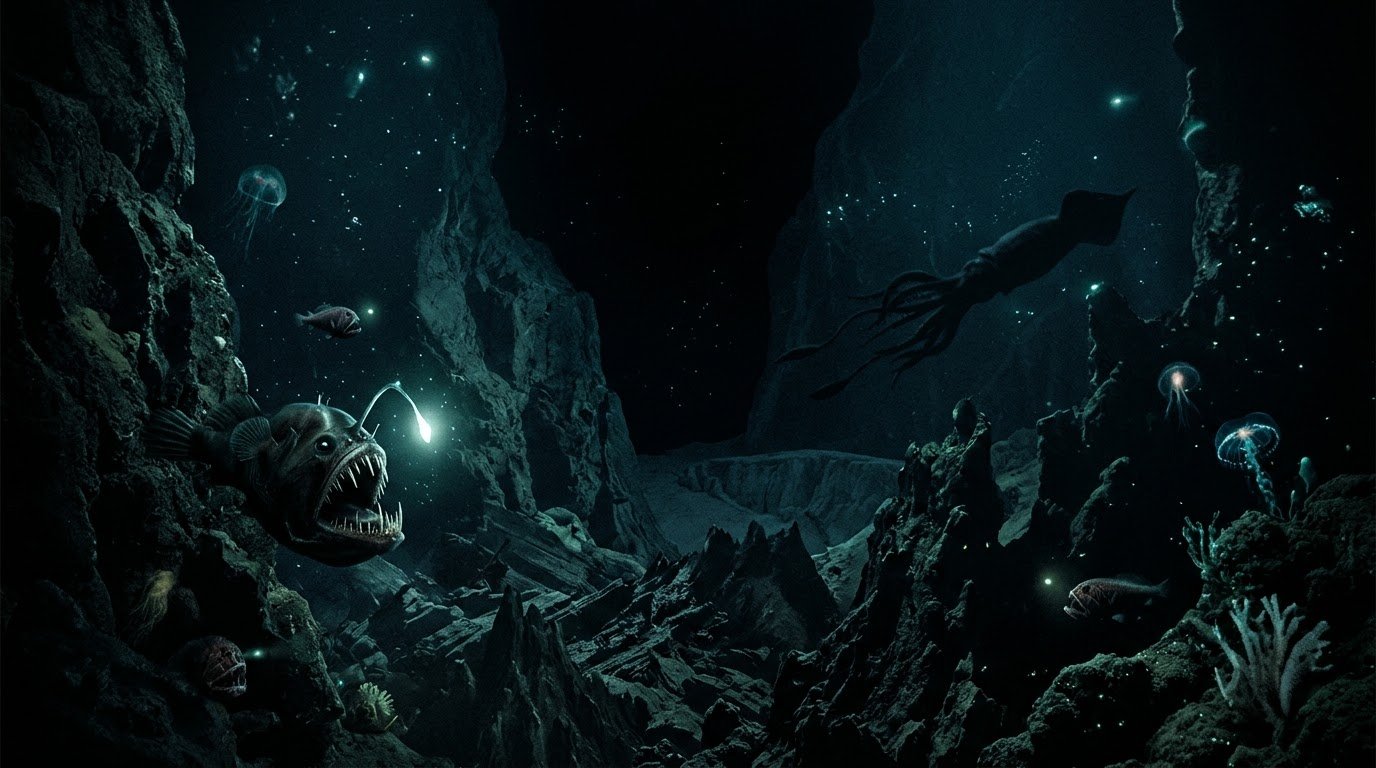 17
The Terrifying Depths of the Ocean: What Exists in the Darkest Places on Earth?
Pressure, darkness and unusual life far beneath the surface.
Read Article →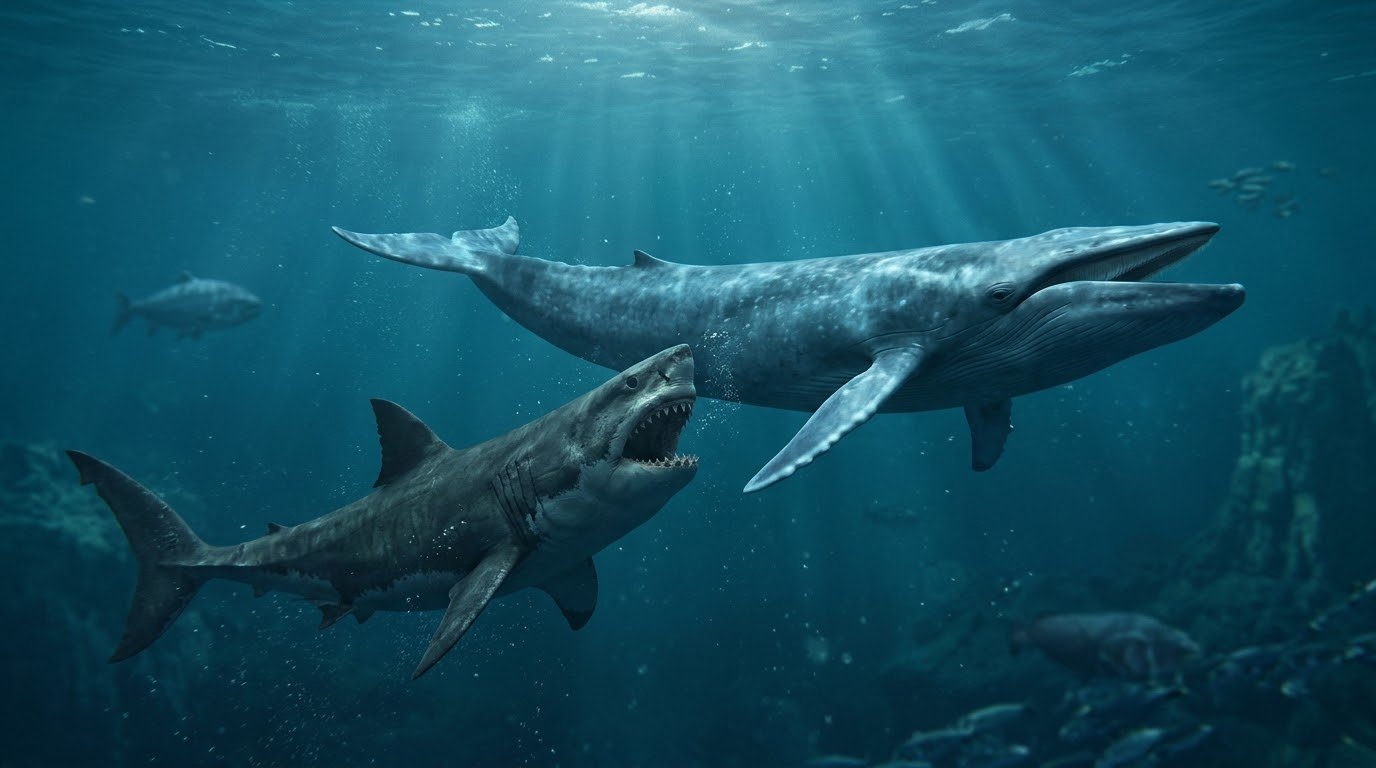 18
Megalodon vs Blue Whale: What These Ocean Giants Tell Us About Ancient and Modern Seas
Size, environment and behavior of two remarkable marine giants.
Read Article →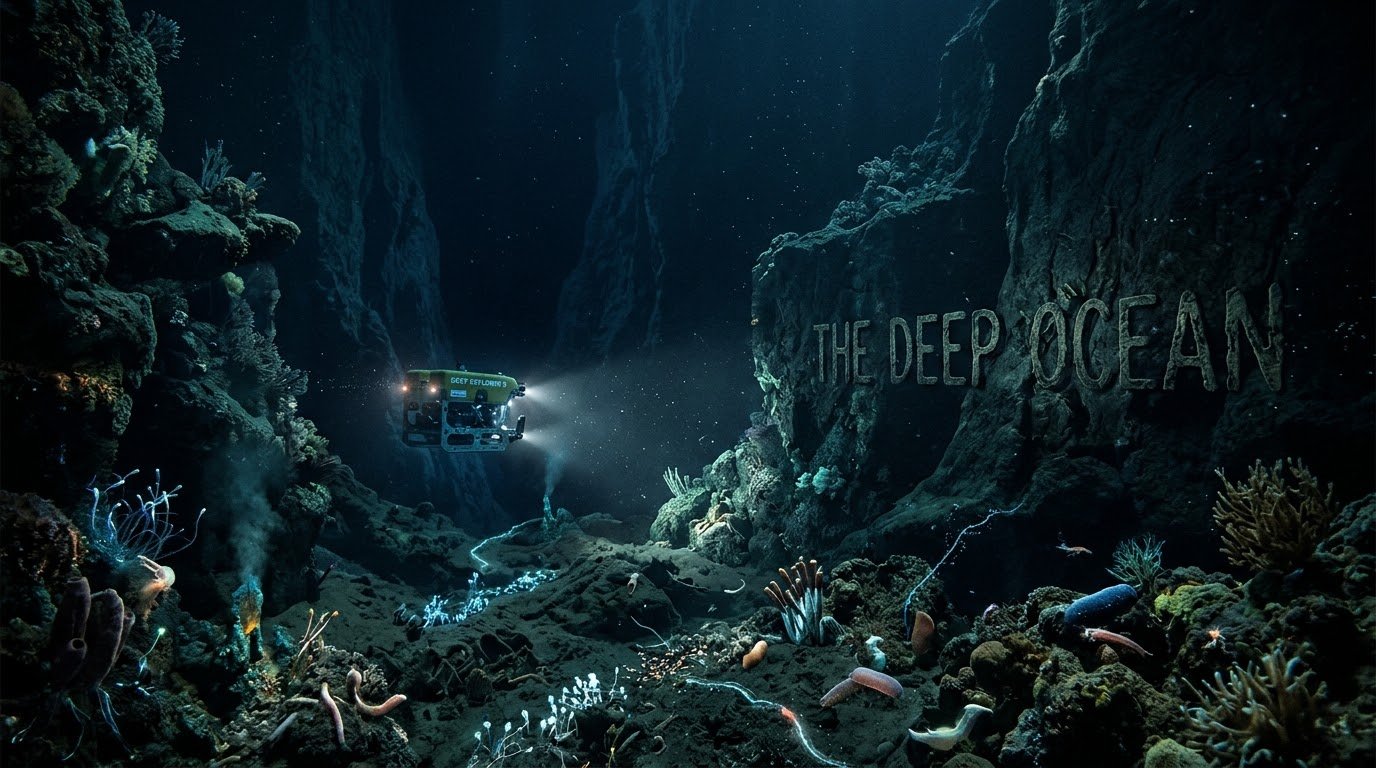 19
The Deep Ocean: Why Have Humans Explored So Little of Our Own Planet?
Why deep-sea exploration is so hard and what remains undiscovered.
Read Article →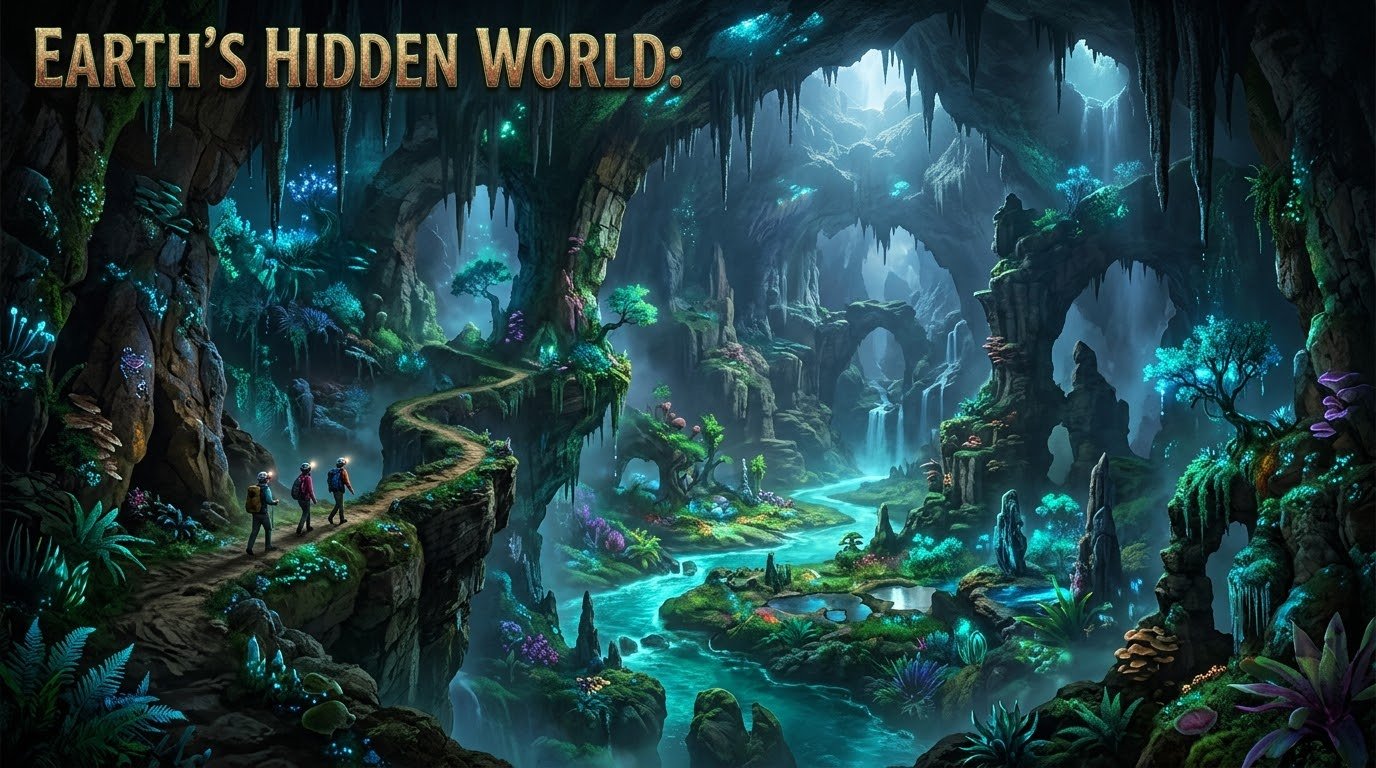 20
Earth’s Hidden World: Extreme Environments Where Life Should Not Exist, But Does
Extreme habitats and organisms that challenge where life can exist.
Read Article →No articles match your search. Try a different word.
Knowledge Should Create Questions
Real learning happens when information leads to deeper questions.
- Why does a black hole form?
- How can a computer process information?
- Can a machine ever possess human-like intelligence?
- How does the brain communicate with the body?
- What exists in the deepest parts of the ocean?
- How did our solar system begin?
- Could life exist somewhere beyond Earth?
- What happened to civilizations that disappeared thousands of years ago?
Why does a black hole form?
These questions remind us that knowledge is not the end of curiosity. It is the beginning of it.
Our Approach to Education
Clear
Complex concepts should be understandable.
Informative
Articles should provide meaningful knowledge rather than empty words.
Engaging
Learning should make readers want to explore further.
Evidence-Based
Scientific and historical claims should be approached responsibly.
Curiosity-Driven
Interesting questions can be powerful gateways to deeper learning.
Balanced
Established facts should be distinguished from theories, possibilities, and speculation.
Keep Exploring
There is no final limit to human curiosity. Every scientific discovery creates new questions, every technological breakthrough opens new possibilities.
Read. Question. Understand. Explore.
Because the world is far more fascinating when you take the time to understand it.